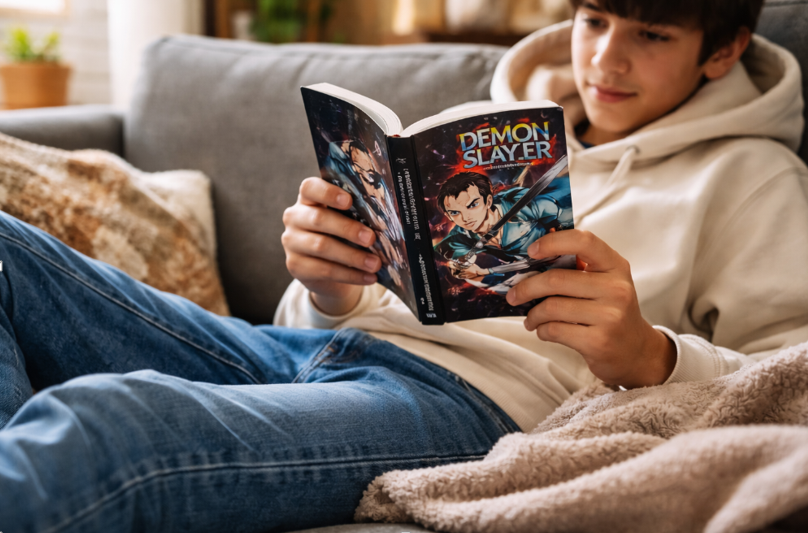
In a world where swords slice through demons and emotions run as deep as ancient wounds, Demon Slayer captures the hearts of many but is it suitable for all ages? This popular manga, written by Koyoharu Gotouge, isn’t just another action-packed story. It blends tragic narratives, brutal combat scenes, and moments of raw humanity. So naturally, parents and young readers alike are asking: at what age is it truly safe to dive into this universe? Whether you’re a teen curious to explore Tanjiro’s journey, or a parent doing your due diligence, understanding the appropriate age to read Demon Slayer isn’t just about numbers it’s about content maturity, psychological readiness, and cultural context. Let’s take a closer look at what lies beyond the inked pages and determine when this dark adventure becomes a responsible read.
Understanding the age rating of Demon Slayer manga
The official age rating for Demon Slayer manga, as published in North America, generally falls into the “Teen+” or “16+” category. This classification is not arbitrary. It reflects a considered assessment of the manga’s content which includes graphic violence, traumatic themes, intense emotional scenes, and moments of horror. Although the anime adaptation may appear slightly toned down in some episodes, the manga often dives deeper into the visceral imagery and emotional darkness that define the series. Graphic beheadings, haunting backstories, depictions of suffering, and even subtle psychological horror are common. This isn’t a sugar-coated shōnen.
That said, many younger fans become attracted to the art style and vibrant characters which might seem inviting. However, before buying your child the first volume, it’s crucial to reflect on their emotional maturity, sensitivity to visual gore, and ability to handle themes like loss, vengeance, and moral ambiguity. For collectors or fans seeking merchandise that’s safe for all ages especially when introducing younger readers to the world without the darker content Demon Slayer figures offer a great way to engage with the franchise visually and creatively.
How violent is Demon Slayer compared to other manga?
Demon Slayer doesn’t shy away from its violent foundations. Battles against demons are not only frequent but often gruesome, highlighting bloodshed, dismemberment, and trauma. While this serves a narrative purpose showcasing the horror demons inflict it remains visually intense. Parents often compare it to other teen-rated manga like My Hero Academia or Attack on Titan. However, Demon Slayer carries a unique emotional heaviness. Unlike action-driven series where violence is stylized or fantastical, here it often feels personal and tragic.
Moreover, the manga isn’t afraid to explore morally complex characters. Even demons have layered backstories that reveal cycles of abuse, trauma, and emotional neglect. This kind of depth makes the story more mature than most typical shōnen titles. In short, while Demon Slayer is beautifully illustrated, its content is graphic, emotional, and occasionally disturbing, placing it firmly in the “Teen+” zone. For younger audiences seeking a gentler entry into anime culture, exploring anime figures might be a safer and still exciting alternative.
Can a 12-year-old read Demon Slayer safely?
This question surfaces often from concerned parents, and the answer truly depends on the individual child. While some 12-year-olds might be mature enough to process themes of death, revenge, and intense violence, others may find certain scenes overwhelming or frightening. Key elements that may not be suitable for preteens include:
- frequent depiction of blood and gore
- violent deaths of humans and demons
- themes of loss, family trauma, and despair
- occasional emotional breakdowns and graphic suffering
- dark atmosphere and horror elements
If your child is emotionally mature, used to dark fantasy, and can separate fiction from reality, they may navigate the story without issue. That said, it’s recommended that parents read the first volume themselves before making a decision. Using metaphors, Demon Slayer is not a gentle stream it’s a powerful river that sweeps readers through beauty and brutality alike. You need to know if your child can swim.
What themes in Demon Slayer might be too intense for young readers?
While the series is framed around classic shōnen tropes good versus evil, the power of friendship, inner strength Demon Slayer digs much deeper. The emotional weight carried by the characters, especially Tanjiro and Nezuko, brings forward themes that may resonate differently depending on the reader’s age.
Trauma and loss
Tanjiro’s family is massacred in the opening chapter, setting a dark tone from the beginning. He embarks on a journey not just of vengeance, but of protecting his sister who herself is transforming into a demon. This heavy emotional arc includes grief, guilt, and emotional responsibility rarely seen in lighter series.
Moral complexity and empathy for demons
The series does something unusual for a shōnen: it humanizes its villains. Many demons are portrayed not as purely evil but as victims of circumstances lost souls consumed by pain. This nuance challenges young readers’ perception of good and evil, something that may be confusing for children still developing critical thinking skills. As such, these deeper messages require a level of emotional awareness that most young teens are only beginning to develop.
Is Demon Slayer appropriate for schools or libraries?
School libraries often include teen manga to reflect growing interest among students and Demon Slayer is no exception. However, educators and librarians should be cautious. While the popularity of the series is undeniable, its graphic nature means it should be placed in high school sections only, not in elementary or junior collections. In Canada, where school policies tend to align with cautious content curation, Demon Slayer is rarely included in lower-grade school libraries. When it is included, it’s usually accompanied by age warnings and access is limited to older students. For classroom or club discussions, Demon Slayer can serve as a rich text to explore themes like grief, responsibility, and heroism. But its inclusion must be handled with care, ensuring students are age-appropriate and emotionally prepared.
See also: Huawei FreeClip 2 Headphones: A New Era of Wireless Audio Freedom
Final thoughts on when kids can read Demon Slayer
Demon Slayer isn’t just about slaying demons it’s a story that slashes straight to the heart. With its compelling story, layered characters, and emotional depth, the manga continues to attract a wide audience. But with that greatness comes a responsibility: to recognize its intensity and ensure that readers are old enough to engage with it safely. If you’re a parent, read a volume first. If you’re a teen, ask yourself if you’re ready for something darker than most adventure tales. And if you’re simply exploring the world of anime, remember not every journey starts with a sword in hand. Are you ready to face the demons?